Idea Fund Award – Microplastics beach cleaning device

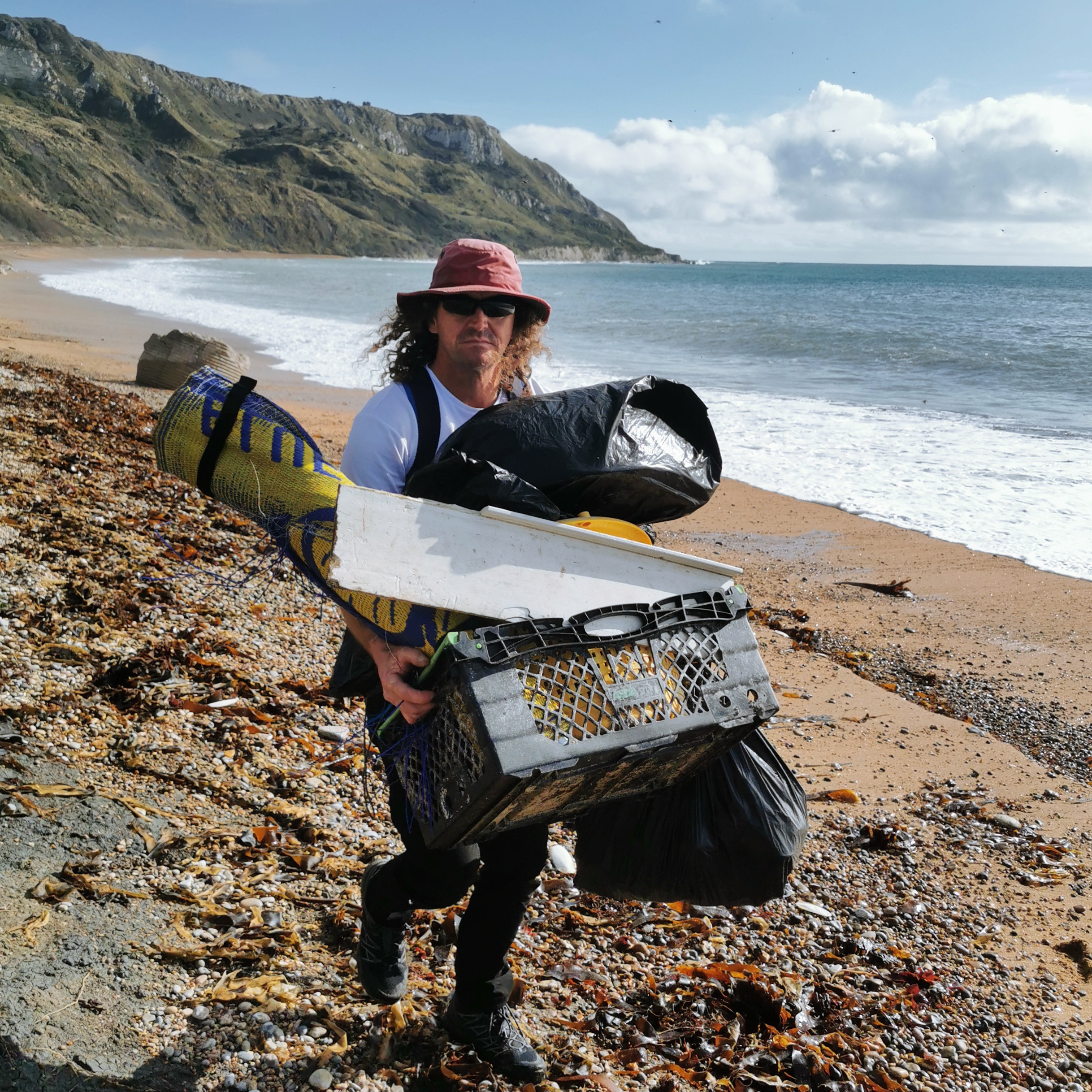
The last of our 2025 ‘I’ve got an Idea’ Fund awards goes to sea kayaker, Roy Beal, founder of Clean Jurassic Coast CIC, a not-for-profit run by volunteers who work to remove plastic and other litter from beaches.

Based on his love of the ocean and mission to remove plastic, Roy’s idea is to develop a microplastic beach cleaning device using static electricity and electromagnetic fields.  Roy explains where his thinking comes from:-

“Technology exists to remove microplastics from water using static electricity, but there does not appear to be an application to remove these harmful plastics once they have washed ashore.

Microplastics are small plastics less then 5mm in size. These can be fragments from broken plastic, polystyrene pieces, nurdles or bio-beads. Nurdles are plastic pellets roughly the size of a lentil, and are used in the production of plastic goods. Bio-beads are a similar size, with a rough surface, and are used in water treatment. Both nurdles and bio-beads often end up in the environment, usually due to industry spillages.

All microplastics are harmful to wildlife, especially nurdles and bio-beads as they look like food. Fish, birds and animals eat them, but are unable to digest them. Bio-beads are especially harmful as they are used to clean sewage water and contain a lot of toxins.

I have been experimenting with ways to collect these plastics using static electricity and electromagnetic fields and have proved the concept, but need financial assistance to go further with the intention to build a portable machine that can be used to clear spills from beaches.

When nurdles wash ashore, they soon get mixed with seaweed and other organics making it difficult to collect them. Seaweed contains important nutrients for any given ecosystem and should not be removed. We want to create a way to remove microplastics from the shore, leaving the important organic material behind.

Nurdles

My idea is to create a machine that will use suction to remove material from the beach, separate the plastics using a mixture of vibration and electricity, collecting the plastic before returning the organic material to the beach.”

Our award will enable Roy to acquire the components he needs to build a prototype for testing in a real environment. We wish him well in this intriguing and potentially significant venture tackling the ever worsening problem of microplastics on our beaches.

Roy at work on a beach clean
Posted in Uncategorized | Tagged , , , , , , , , , | 1 Comment

Idea Fund Award – Plant powered sheets

Our latest award is to Natalie Smith who works in food education and sustainability in Inverness via her project Seed2Plate. While training Home Economics in schools, she noticed how many usable scraps of vegetable waste were going straight into the bin with nowhere else to go. Natalie started bringing some of it home, thinking she could make something to feed her own vegetable plants especially if it might also solve her watering problems. She couldn’t find any commercial products which provided both water and nutrients, it was usually one or the other. 

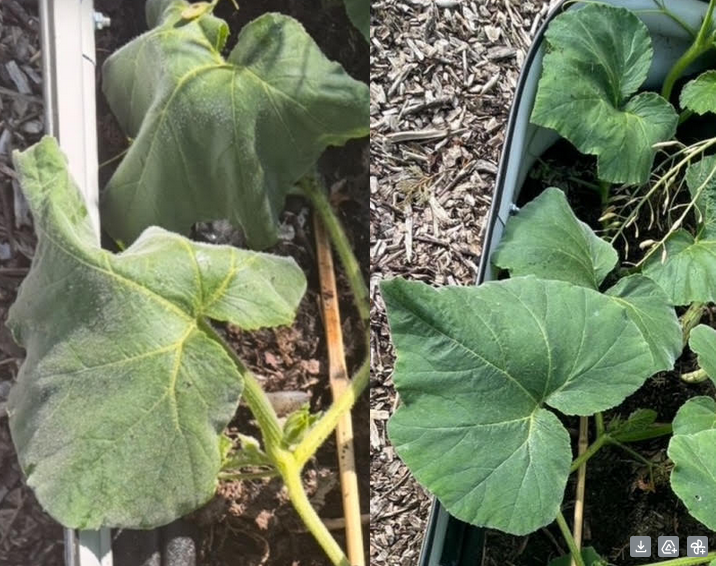
So, Natalie began her own experiments using natural extracts and gelling agents with different nutrient teas that she had brewed from food waste and garden by-products, She cast a rough prototype: a biodegradable sheet that could hold moisture, release nutrients gradually, and compost harmlessly back into the soil. In just a six week quick stress test window, the results exceeded expectations. Plants with the sheets stayed moist for days, if not weeks, longer than controls with minimal watering. In hanging basket trials, plants thrived with around 70% less water. Most surprisingly, a squash plant struggling with powdery mildew (usually only managed by cutting back, spraying or discarding) actually recovered and put on fresh growth in less than 48 hours without a single leaf needing to be cut off.

Before and after squash plant

Our ‘I’ve got an idea fund’ award will help Natalie now extend her DIY experiments: assessing the effectiveness of different blends of food waste teas as well as vacuum-packing the sheets for stabilisation to see for how long they stay usable. 

As Natalie says, “while the basic idea of a sheet to hold water may exist in other forms, this is rarely if ever applied in horticulture this way nor is the concept of the ability to infuse them for different requirements, whether that’s for nutrition, recovery, or even pest deterrence and that is what I hope would make Plant Powered Sheets unique”.

As readers may have noticed, the ‘I’ve got an idea’ fund team is particularly drawn to DIY experimentation by applicants – not only because it’s a great way to test and evolve an idea but also because hands-on experimentation is fun and provides valuable learning even if the original idea doesn’t work. 

Good Luck Natalie!

Posted in Uncategorized | Tagged , , , | Leave a comment

Field regenerating…

Hay Meadow Seed Scattering 3 – September 2025

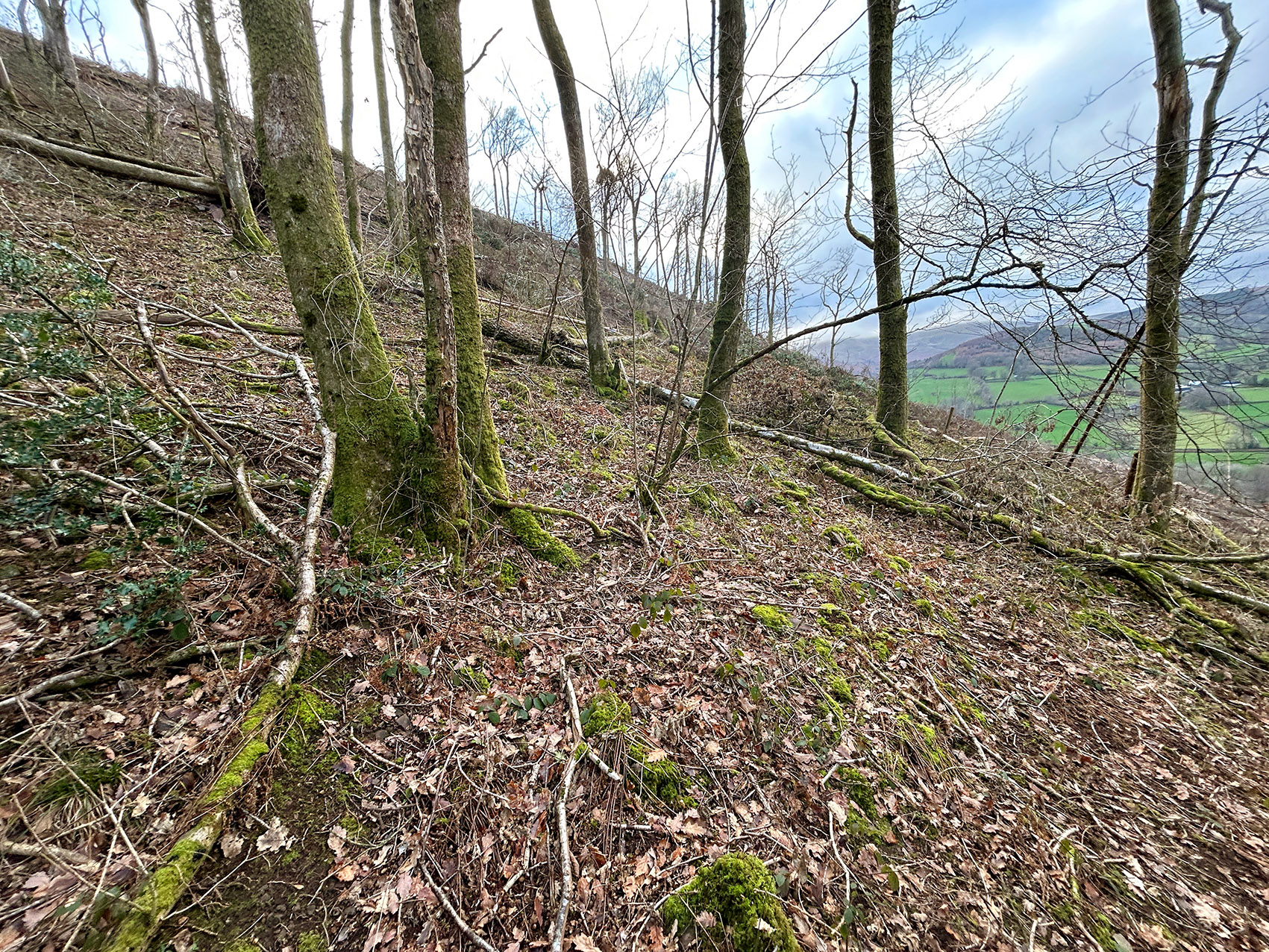
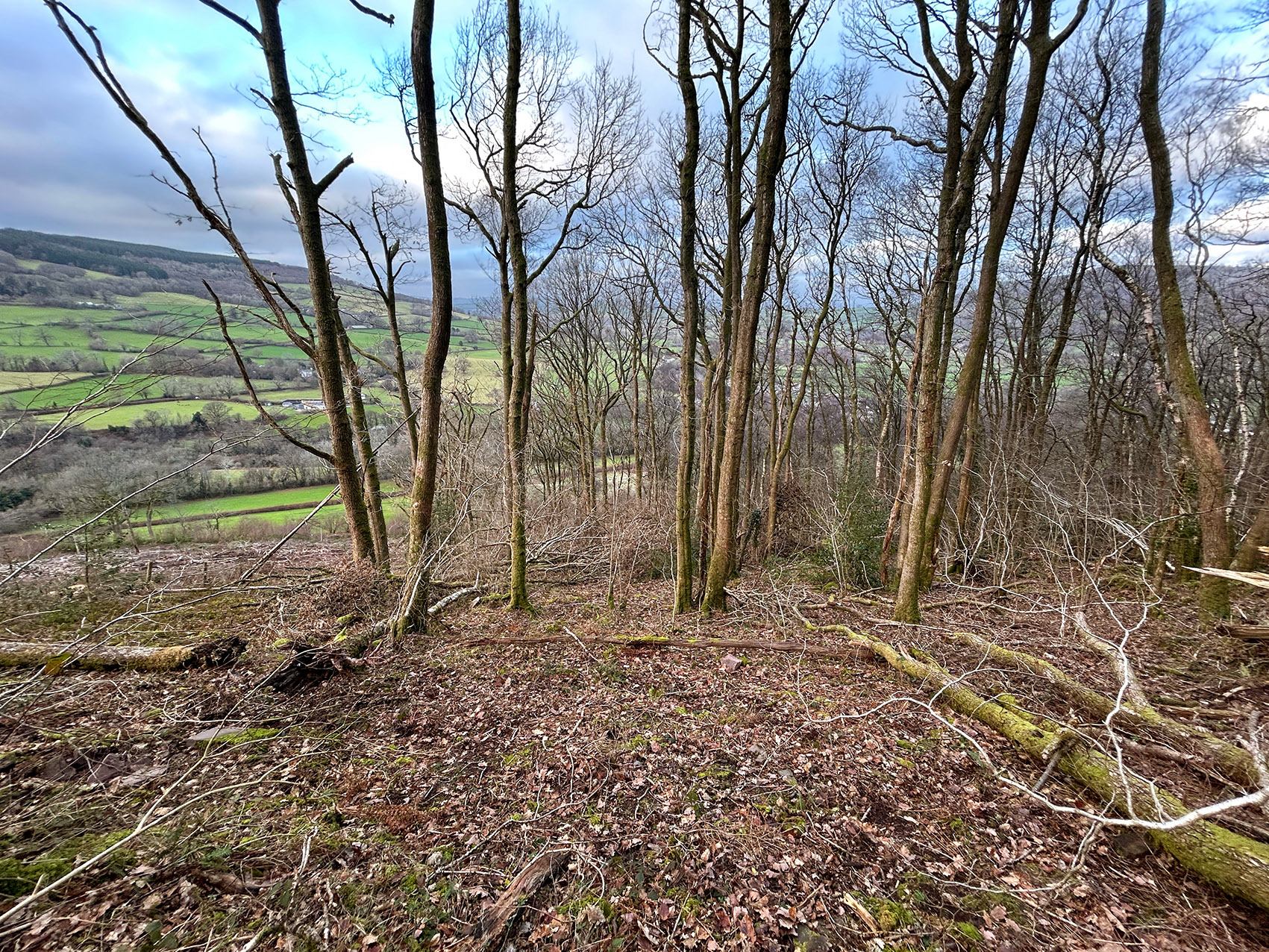
Graham, our friendly ecologist, returned today to clear another couple of patches to scatter hay seed harvested from his local wildflower meadow. From this experiment 2 years ago, the only visible result was small patches of yellow rattle and the odd red clover. The patches cleared today are contiguous with the ones from 2 years ago.

After we’d scattered the hay.

Read the rest of this ongoing project here

Posted in Uncategorized | Leave a comment

Visit to an Idea Fund project

An inspiring visit yesterday to see progress on Johana Hartwig’s Idea Fund project based in Cardiff Bay.

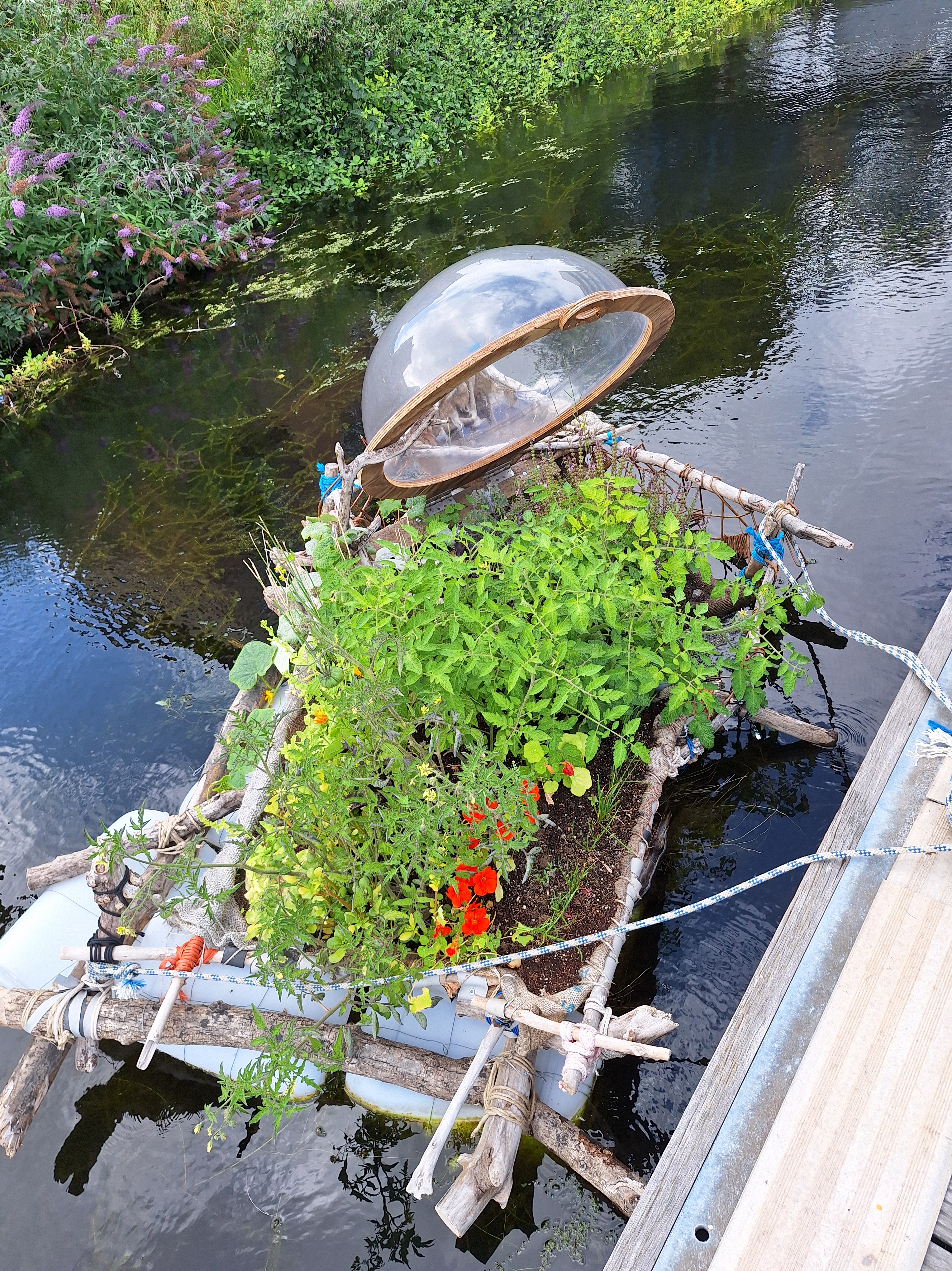
Johana is exploring how her city could find ways to feed itself utilising a kind of hydroponic system, grown on the waste discarded in the Bay. Since receiving our fund award at the end of March, Johana has collected a range of waste from the bay and explored which of the random bits and pieces could be used to construct an aesthetic, floating, reasonably robust structure. She then planted a diversity of edible plants to see if they would grow on her first experimental platform in such an environment.

On a mini tour through her process, Johana first showed us some of the waste foam, plastic containers, branches, twigs, ropes and twine collected and her techniques for creating a workable structure from these including the necessary buoyancy. It raises interesting questions as to what environmentally questionable materials it’s “ok” to put back in the water to use again and how well will they will withstand the elements and wildlife.

It was great to see how the edible plants (herbs, cucumber, tomatoes, kale and edible flowers) had all flourished despite never bring watered during months of almost drought conditions here in South Wales. The tour finished with us consuming herb tea made from our own pick from the floating plants together with some herb infused chocolates made by Johana.

Part of Johana’s motive is to stimulate conversation about growing edible plants in the heart of a city using water that is already there. She’s especially interested in the potential of the large areas of fresh water in the historic, now unused docks. We look forward to seeing what happens next. You can follow Johana’s journey here.

Posted in Uncategorized | Tagged , , , | Leave a comment

Idea Fund Award – Developing a Field Insect Microscope

Our latest ‘I’ve got an idea’ Fund award is to Freddy Sarathchandra, a mechanical engineer and public health scientist.

During his PhD research and subsequent start up company Enstic’s work on acoustic ID devices for automated insect detection, Freddy has developed a strong interest in developing a low cost, rugged microscope for collection of high quality images that allow simple, fast insect ID in the field without needing to take specimens away from where they were found.

Freddy at work in the field

Most confocal microscopes are designed for bench use and stability so are heavy, fragile to transport in a backpack and the imaging area where specimens are placed is not shielded from the elements. This means that light breezes can blow the insect being imaged away, making imaging hard to do in the field. Also, high powered lighting is essential for high quality macro insect images and this is tricky to get in the field.

Freddy is keen to experiment with several technically innovative ideas to address these issues. These include: keeping insects still during imaging in a non-lethal way, incorporating high powered multi directional lighting with minimal insect-lens-lighting distances and overcoming depth of field limits with stepped height images.

Freddy hopes that developing a small portable microscope for field entomologists could also help engage the wider public, scientific & citizen science community in the important task of identifying and understanding insects.

Posted in Uncategorized | Tagged , , , , | Leave a comment

Idea Fund Award – Tree Hugger Robot for detecting early signs of tree disease & environmental stress

 Suhandan is a 14 year old student living in Scotland who’s passionate about robotics and environmental conservation. Suhandan has built a first prototype of his Tree Hugger robot idea which will use a range of sensors: Thermal, to take readings of the tree’s temperature and Soil moisture, to take data from the soil at the base of the tree. An ESP-32 camera is programmed with machine learning to recognize diseased tree bark. Additionally, the robot is equipped with a prototype robotic arm, so in future iterations, a locator tag or a data monitoring tag can be placed. Plans include finding tree tags that could transmit live data to scientists and creating an open-source platform for students and conservation groups to replicate the technology.

Having built a proof of concept, our ‘I’ve got an idea’ Fund award will enable Suhandan to bring his robot up to a realistic scale and deploy it for meaningful field testing traversing actual forest floors and collecting tree data.

You can see a short video of Suhandan introducing his Tree Hugger idea here.

We were impressed by Suhandan’s enthusiasm for and commitment to his idea. We wish him luck and look forward to following his progress.

Posted in Uncategorized | Tagged , , , | Leave a comment

Idea Fund Award – a virtual white stick to help blind people ‘feel’ their surroundings, objects and textures.

Our latest ‘I’ve got an idea’ Fund award is to Matt Carlon, an Industrial Design Engineer with over 20 years experience in disability product development.

In Matt’s words, “my idea is for a ‘virtual’ white stick that uses LIDAR technology to allow blind people to ‘feel’ their surroundings, objects and textures. The design has a point displacement pressure pad that presses against the users finger, much like a braille dot, a variable amount directly correlating to a LIDAR measurement. The LIDAR scale and sensitivity can be adjusted by the user with a thumb wheel and rocker. The thumb wheel on the top adjusts the far distance limit so the user can ‘click’ half a metre increments indicating a ‘measurable’ distance; the rocker (which has the pressure pad within it) pivots to increase the near distance limit and the sensitivity of the displacement feedback allowing the user to touch and feel the shape of the object they are pointing at. My hope is that it will give a improved scope for orientation, in the case of walking the user could scan further ahead than a step, to the side they could orientate with buildings; the tactile response will provide a new intuitive sensory experience to understand their environment, they could ‘see’ sculptures and feel what a park ‘looks’ like.

Initial prototyping

Posted in Uncategorized | Leave a comment

Idea Fund Award – using urban river waste to create aesthetic, floating structures for growing food

Our latest ‘I’ve got an idea’ Fund award is to Johana Hartwig, a Cardiff based artist exploring creative solutions to urban environmental issues. Her work has focused on water bodies within populated spaces and public access to natural resources. 

Johana is inspired by the structures of the floating gardens of south Bangladesh that rise and fall with the flood water. Utilising the point at which the 2 rivers Ely and Taff feed into Cardiff Bay, Johana’s idea is to try to create a mass hydroponic system of some kind, grown on the waste we discard. The work responds to human impact in natural environments and will use the Cardiff Bay Marina as a testbed for the creation of organic, buoyant structures that could be used for current and future urban farming. If successful, the food grown can be given to the local food-bank and cafe and Cardiff Met University have agreed to test the produce to check if it would be suitable for human consumption.

Johana has gained permission from Cardiff Bay Harbour Authority to collect buoyant plastic waste and permission from the Marina to fabricate structures using this waste to trial floating large growing platforms on.

Johana’s is a fascinating and challenging project which may or may not work technically but will certainly visibly stimulate thinking and conversation about rivers and waste and new ways of growing food in the centre of a city.

Posted in Uncategorized | Tagged , , , | Leave a comment

Idea Fund Award – wearable electronic health record for resource-constrained settings

Our latest award is to Brandon Smith to help him further research, prototype and experiment with his idea of ‘Amulet’ – an ultra-low-cost wearable electronic health record (EHR) designed for rapid deployment in resource-constrained or disrupted healthcare settings, such as in conflict zones, humanitarian crises, and with displaced populations. Brandon is a post doc researcher with a background in both medicine and electronic engineering and experience of collaboration with overseas partners.

His idea is that Amulet will be able to securely store critical health data: diagnoses, management plans, allergies, medications, and next-of-kin details. Healthcare personnel will be able read and write to the device using already owned, ubiquitous technologies such as mobile phones. The goal is for Amulet to eliminate the need for substantive network infrastructure (e.g., cloud servers, computer access, substantive internet connectivity), bridging chasms in record keeping, information, and knowledge, empowering providers and patients with a resilient, accessible tool for delivering quality care worldwide.

We wish Brandon well with this challenging but potentially transformative project.

Posted in Uncategorized | Leave a comment

Idea Fund Award : Detox Bio Embellishment: Non-mined gemstones

Our first ‘I’ve got an Idea’ Fund award of 2025 is to Cassie Quinn for her lab experiments into creating reflective sparkles using biopolymers. Intriguingly, the idea was born from a mistake made in an experiment of Cassie’s while producing wastewater-cleaning sequins. Her project will now investigate this phenomenon (see image) and how to reproduce it. Her goal is to retain biodegradability in sequin and embellishments and creating gemstones like amber and opal using non-extractive methods.

Why does this matter? For a start, it’s reported that British women purchase 33 million sequinned garments every festive season, with 1.7 million ending up in landfill after only 5 years and 35% of microplastics being released into the world’s oceans. These conventional sequins are made of polyester film or vinyl, which involve toxic and carcinogenic chemicals that cause significant environmental and health risks.

You could argue, why don’t we ‘simply’ ban sequins if they generate such toxic waste. But our use of and attraction to glittering objects like sequins is certainly no trivial modern whim. Their construction and decorative use reach back in time for at least 12,000 years and across many diverse civilisations. It is only in recent times that we have switched from first shells and later metal coins to toxic micro plastics for sequin construction. And why is sparkle important to us? Certainly, our fellow, non-human creatures have evolved bright, eye catching colours and display to attract others – while we have done the same through articles we wear or carry or by directly painting our faces and bodies. Some research in evolutionary aesthetics also suggests that humans prefer shiny objects because glossiness connotes water which has always been vital for life.

So, we wish Cassie luck in exploring ways to give us sparkling sequins without microplastics, dyes and their toxic waste effects.

Posted in Uncategorized | Tagged , , , | Leave a comment